
Why Regular Eye Exams Matter
What To Expect:
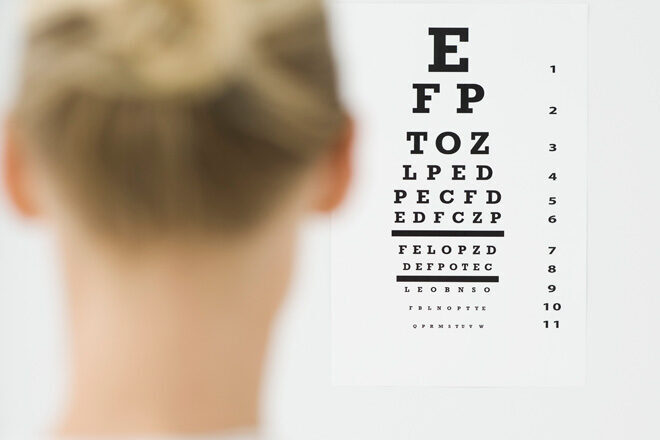
Visual Acuity Test
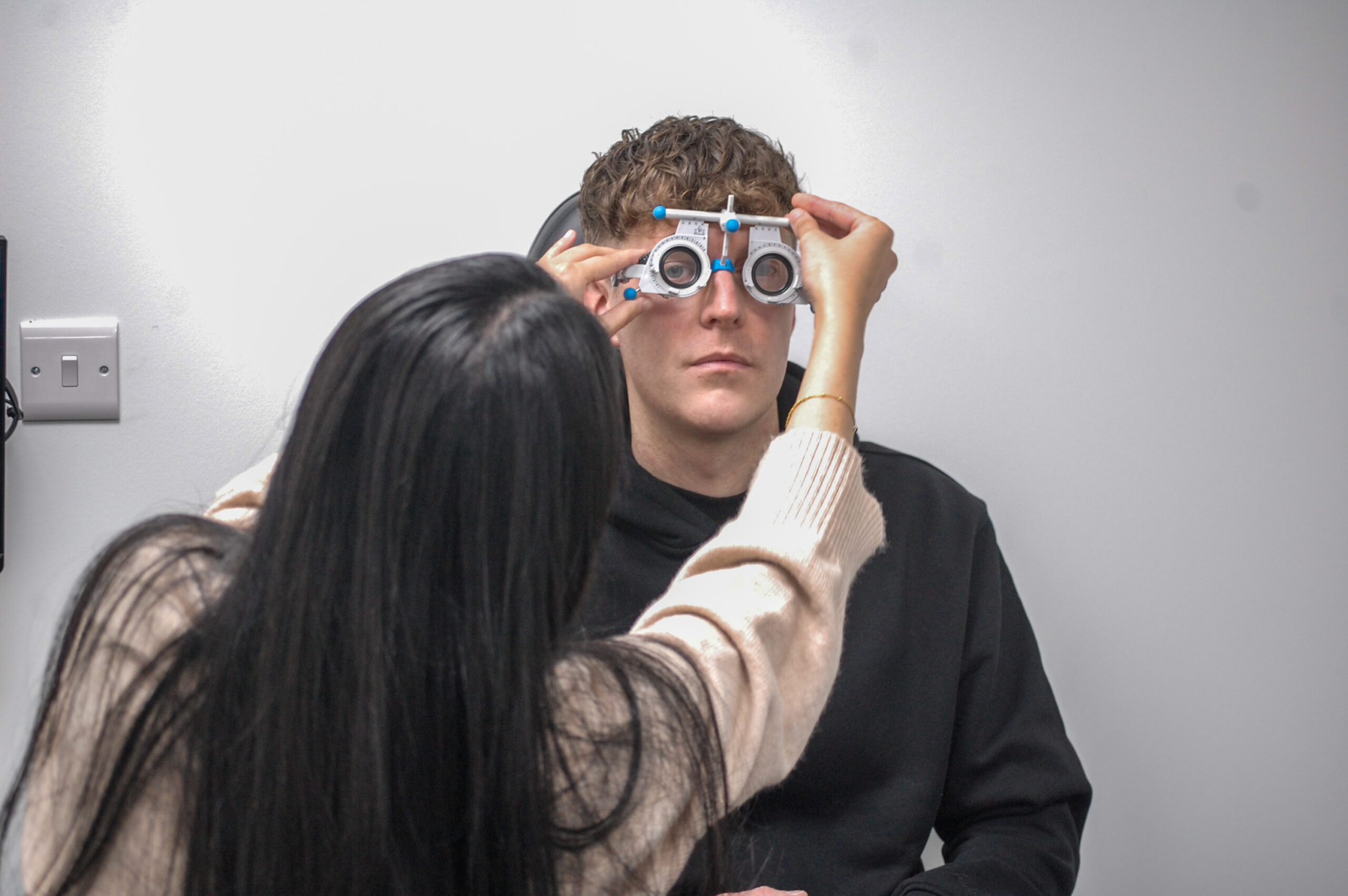
Refraction Assessment
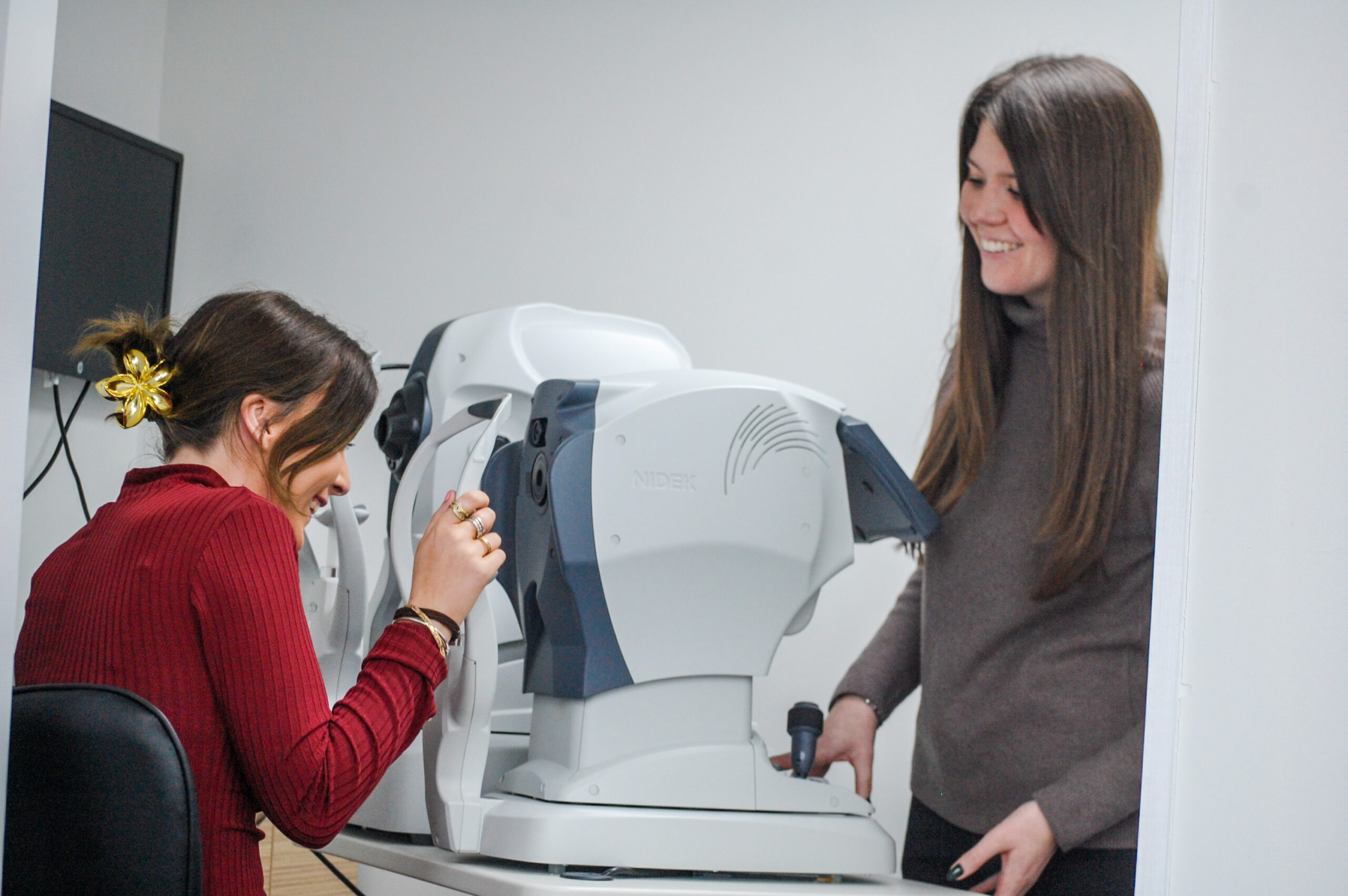
Eye Pressure Measurement
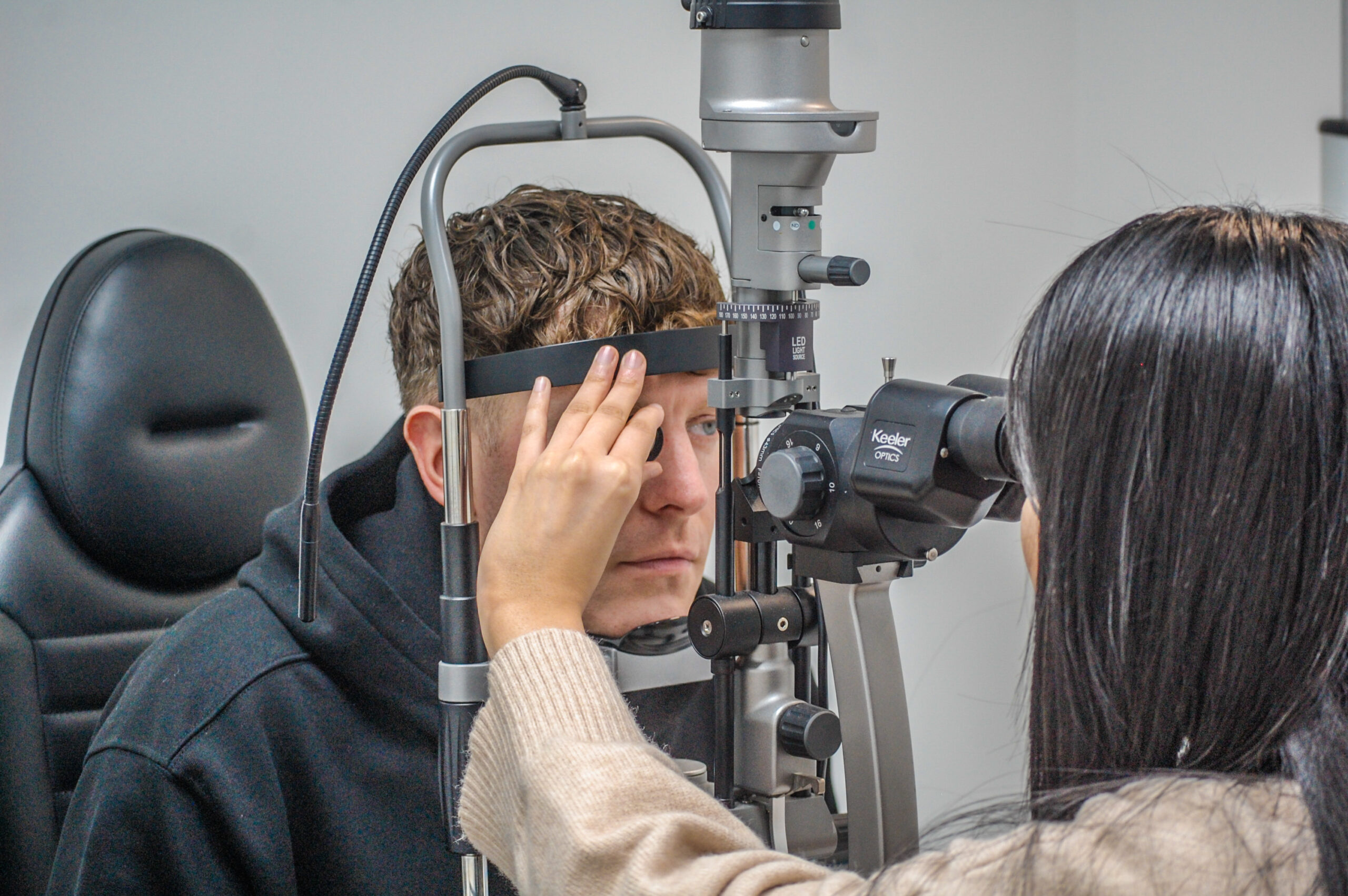
Retinal Examination
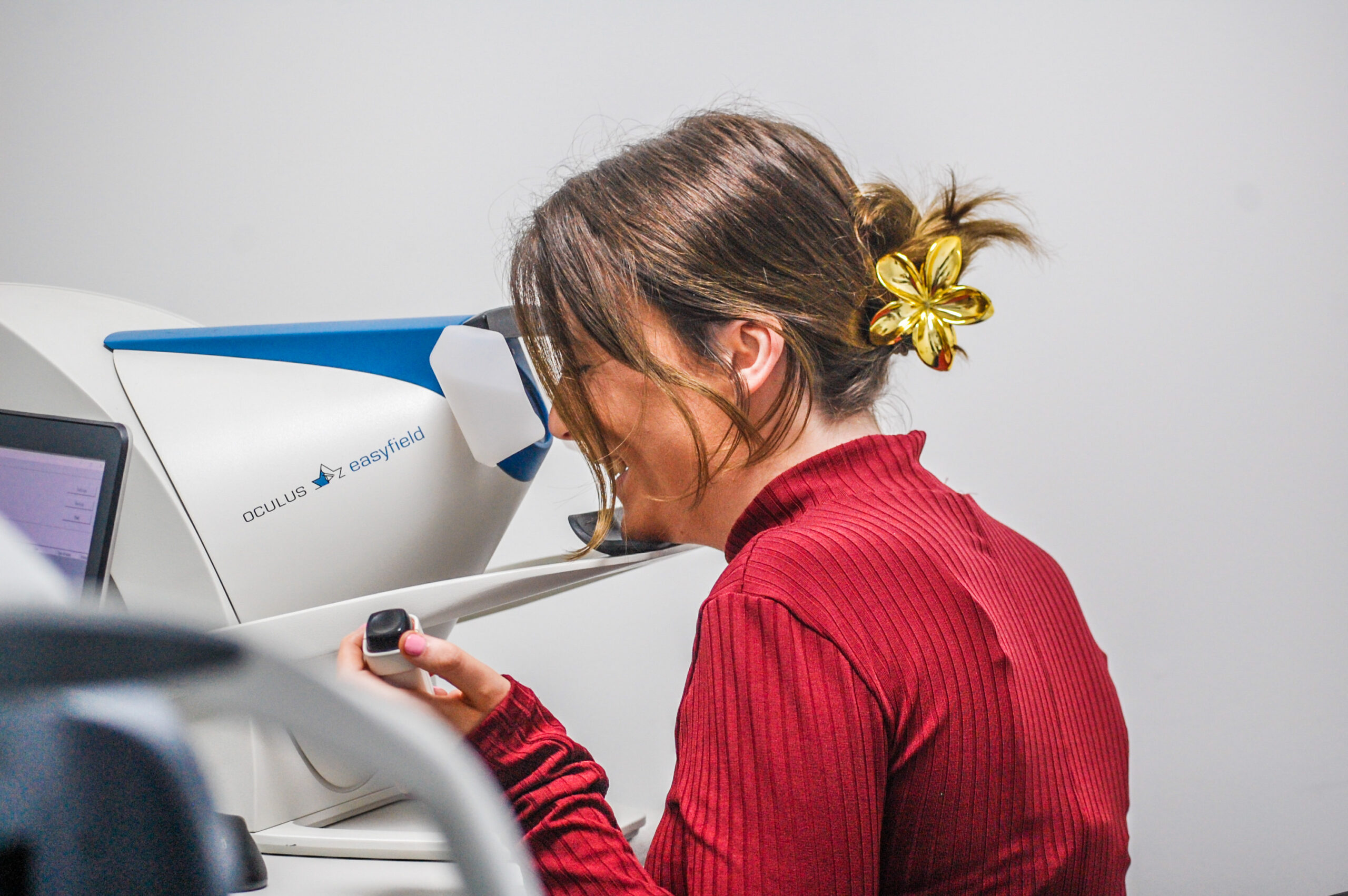
Visual Field Test
Common Eye Conditions During Examination:
| Cataracts | A clouding of the lens in the eye |
| Glaucoma | A group of eye conditions that damage the optic nerve |
| Macular Degeneration | A progressive disease that affect the central part of the retina |
| Diabetic Retinopathy | Damage to the retina caused by diabetes |
Frequently Asked Questions
What Is An Eye Test
An eye test is an appointment with an optometrist. They will measure your vision and see if it can be improved with glasses or contact lenses. Having better vision helps with day to day activities such as working, reading or driving, and can help reduce symptoms like eyestrain and headaches. Part of the eye test involves looking at how your eyes work together and assessing how the eye muscles function.Another important part of the test is the ocular health assessment, where the health of the eye is checked from the front to the back. Any signs of eye conditions such as cataracts, glaucoma, or AMD, can be seen during the health check. If signs of certain eye conditions are spotted earlier, they can be dealt with better.
When Should I Get An Eye Test
Typically you should get your eyes tested every 2 years, as the prescription can change over time. Even if you don’t wear glasses it is still important to get your eyes tested, as during the health assessment any potential signs of eye conditions seen can be managed appropriately. Some people whose prescriptions might change more frequently, or are being monitored for eye conditions may need to be seen earlier.If you experience regular headaches, eye strain and if you notice a change in your vision, it would be worth getting an eye test (even if you are not due one yet).